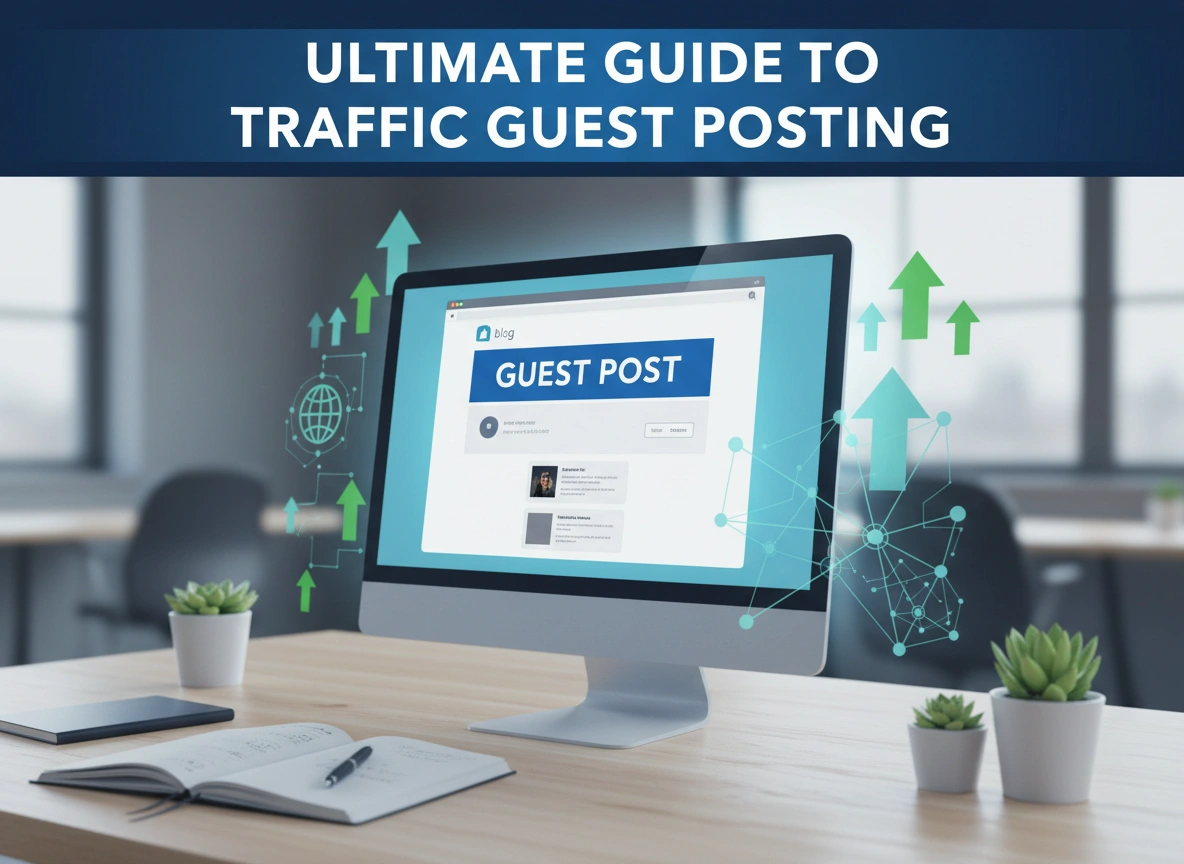
Are you struggling to get eyes on your website? You can write the most brilliant content in your industry, but without an audience, your hard work goes unnoticed. The solution often lies outside your own website. By leveraging other established platforms, you can tap into existing communities and redirect that attention back to your brand.
This strategy is one of the most reliable ways to grow an audience from scratch. We will walk you through everything you need to know about publishing content on other sites. You will learn what it is, why it works, and exactly how to execute a strategy that brings real visitors to your pages.
What is Guest Posting?
Guest posting involves writing and publishing an article on someone else’s website or blog. You offer free, high-quality content to a publisher in your niche. In exchange, the publisher allows you to include a link back to your own website.
Usually, this link sits in an author bio at the bottom of the article. Sometimes, publishers allow contextual links naturally woven into the body of the text. Both methods help you tap into the host website’s readership.
For beginners, this practice can seem intimidating. Reaching out to editors and asking them to publish your work takes confidence. However, website owners constantly need fresh, engaging content to keep their readers happy. When you provide that content, you solve a major problem for them while growing your own brand.
Why You Need to Start Guest Posting
Creating content for other websites requires time and effort. You might wonder why you should write for someone else when your own blog needs updates. The benefits extend far beyond a single backlink.
Build High-Quality Backlinks
Search engines view links from reputable websites as votes of confidence. When a high-authority site links to your content, it signals to search engines that your website is trustworthy. These backlinks remain one of the strongest ranking factors for search engine optimization (SEO).
As you accumulate these links, your own website’s domain authority increases. This makes it easier for your own articles to rank higher in search engine results.
Reach Highly Targeted Audiences
When you publish on a relevant blog, you put your brand directly in front of your ideal customers. These readers already hold an interest in your niche. If they enjoy your article, they are highly likely to click through to your website to learn more.
This creates a steady stream of referral traffic. Unlike random clicks from social media, this traffic comes primed and ready to engage with your products or services.
Establish Industry Authority
Consistently sharing your expertise on respected platforms builds your reputation. Readers begin to recognize your name across different publications. They start viewing you as a thought leader in your space.
Trust drives conversions. When potential customers see that established brands trust your insights, they feel much more comfortable doing business with you.
How to Find the Right Blogs to Pitch
Your success depends entirely on where you publish. Pitching random websites wastes your time and damages your credibility. You need a systematic approach to finding the right partners.
Identify Your Niche Audience
First, define exactly who you want to reach. What topics do they care about? What problems do they need solved? Once you understand your audience, brainstorm the types of websites they visit daily.
Look for blogs that share a similar target audience but do not compete directly with your business. For example, if you sell email marketing software, you might target blogs that focus on general small business advice or copywriting.
Use Advanced Search Operators
Search engines offer powerful tools to uncover websites actively accepting guest contributions. Head to your favorite search engine and try combining your niche keywords with specific search phrases.
Try using queries like:
- [Your Topic] + “write for us”
- [Your Topic] + “guest post guidelines”
- [Your Topic] + “contribute an article”
- [Your Topic] + “submit a guest post”
These searches will reveal pages explicitly dedicated to accepting outside content. Create a spreadsheet to track the URLs, contact information, and specific requirements for each site you find.
Vet Your Prospects
Not all blogs provide the same value. Before you spend time writing a pitch, evaluate the website’s metrics. Look at their domain authority using free SEO tools. Check if their articles receive comments and social shares.
Most importantly, read their recent posts. Ensure their content quality matches your standards. If a site publishes low-quality, spammy articles, you should cross them off your list immediately.
Crafting the Perfect Pitch
Editors at popular blogs receive dozens of pitches every week. To stand out, your outreach email must be concise, personalized, and highly relevant.
Personalize Your Approach
Never send a generic, copied-and-pasted email. Take the time to find the editor’s actual name. Mention a specific recent article of theirs that you enjoyed, and briefly explain why it resonated with you.
This shows that you actually read their blog and are not just hunting for a quick link. Building a genuine relationship should always be your primary goal.
Pitch Original, Highly Relevant Ideas
Do not ask the editor what you should write about. Instead, offer three distinct, fully fleshed-out headline ideas. Ensure these topics have not been covered on their blog before.
Briefly outline what each article will cover and explain why their specific audience will love it. Make it as easy as possible for the editor to say yes. Focus entirely on the value you bring to their readers.
Writing a Guest Post That Converts
Once an editor accepts your pitch, the real work begins. Your article needs to be the absolute best piece of content you can produce. If you submit a mediocre draft, the editor might reject it entirely.
Follow Formatting Guidelines
Every blog has its own set of rules. Some want 800 words, while others demand 2000. Some prefer short, punchy paragraphs, while others like academic, in-depth analysis.
Read their submission guidelines carefully. Match their preferred tone, formatting, and heading structure. The less editing they have to do, the more likely they are to invite you back for future contributions.
Provide Insane Value
Your primary goal is to educate, entertain, or inspire the host’s audience. Do not treat the article like a promotional brochure for your company. Share your best secrets, use concrete examples, and provide actionable takeaways.
If readers walk away with a quick win, they will actively seek out your website for more information.
Include Strategic, Contextual Links
When placing your links, focus on user experience. If you are discussing strategies to build website visitors, you might mention that mastering traffic guest posting requires patience and the right tools. Ensure any link you provide directs the reader to a highly relevant resource on your site that expands on the point you just made.
Do not force keywords or stuff your author bio with multiple links. Keep it natural and genuinely helpful.
Promoting Your Published Post
Your job does not end when the editor hits publish. You must actively promote the piece to maximize its impact and build goodwill with the host blog.
Share the article across all your social media channels. Tag the publication and the specific editor you worked with. Send the link to your email newsletter subscribers.
Respond promptly to any comments left on the article itself. Engaging with the readers shows the host that you care about their community, which opens the door for a long-term relationship.
Next Steps for Your Strategy
Building a successful outreach campaign takes time, organization, and persistence. Start small by identifying just five highly relevant blogs in your niche. Study their content, find the right contact person, and send out your first batch of personalized pitches this week.
Expect some rejections along the way. This is a normal part of the process. Keep refining your pitches, focus on delivering outstanding value, and watch as your website visitors and industry authority steadily climb.