
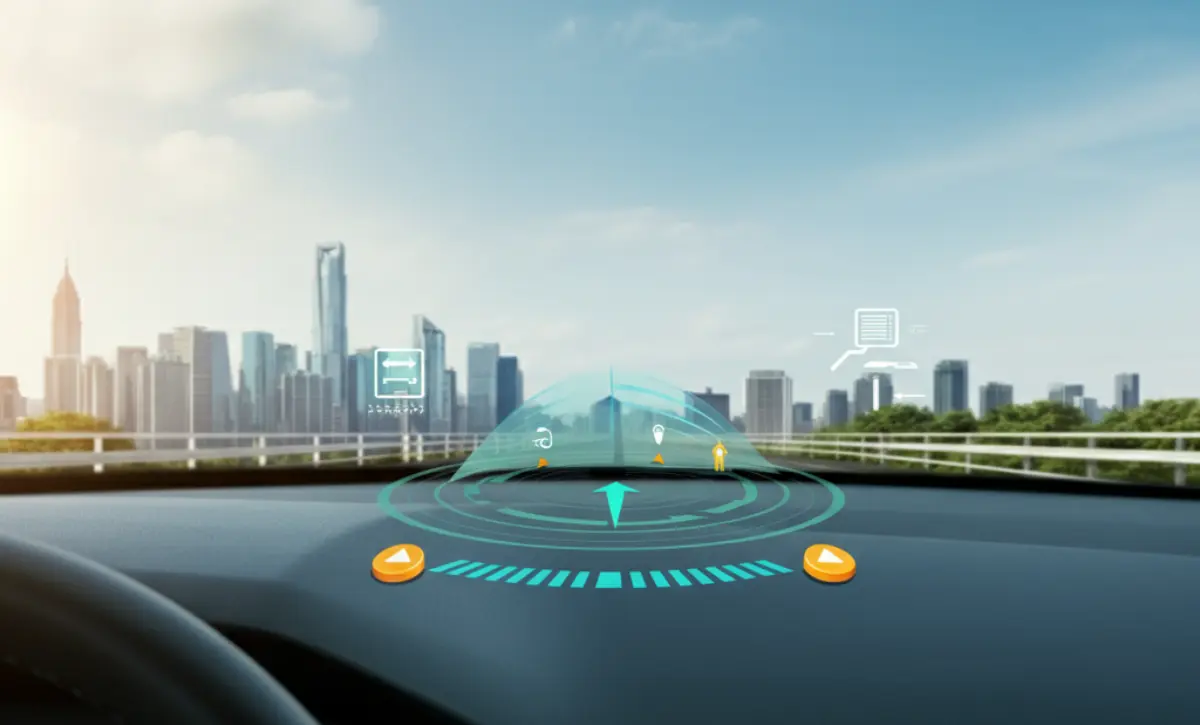
Head-Up Display technology is changing the way we interact with the world. Instead of glancing down at a dashboard or screen, the information you need is right in front of your eyes—whether you’re behind the wheel, on the job, or even in the operating room. HUDs, once the stuff of sci-fi and fighter jets, are now a regular feature in American cars and gadgets, helping us drive safer and work smarter. In this article, we’ll take a look at the latest HUD advancements, their uses across the USA, and why so many people are paying attention.
What is HUD Technology?
A Head-Up Display, or HUD, puts key data onto a transparent surface, often your windshield or a specialized visor. The point is simple: you can see critical info like your speed, navigation cues, or alerts without ever looking away from what matters—like the road ahead. The result is less distraction and a smoother, safer experience in everything from cars to planes.
HUD technology has become popular because it helps drivers and professionals keep their focus, enhances awareness, and can even save lives by reducing the time your eyes are off your surroundings.
The Latest HUD Advancements
There has been an explosion of new features and improvements in HUD technology over the past few years. In the USA, manufacturers and tech companies are rolling out next-level displays aimed at improving both daily life and high-stakes jobs.
Augmented Reality (AR) Head-Up Displays
One of the standout improvements is the combination of HUDs with Augmented Reality. With AR HUDs, navigation instructions can appear as dynamic arrows on the street or highway itself, showing you not just where to turn but where you should be in your lane. Some systems even highlight pedestrians or other vehicles in real time, adding a protective layer for both drivers and those around them.
3D Images and Holographic Displays
Another exciting shift is the move to 3D visuals. Instead of flat text, modern HUD technology can display layered images that almost seem to float out in front of you. This is especially helpful for drivers, because you don’t have to refocus your eyes as much—what you see looks more natural, and it’s easier to notice important warnings or directions.
Better Materials and Sleeker Projectors
HUD devices today use high-quality glass and smart coatings, ensuring a crystal-clear image, even in bright sunlight. Tiny projectors, powered by micro-LED or mini lasers, can fit inside a car dashboard, a motorcycle helmet, or even a wearable headset. The result? HUDs that are less bulky and more effective, fitted for everyday use across a range of industries.
Head-Up Display in the USA: Where You’ll Find HUDs
From busy freeways to airplane cockpits, HUD technology has made a big impact all across the USA.
Automotive: Safety in Every Mile
For many Americans, their first encounter with a Head-Up Display comes when they buy a new car. Most auto brands now have HUD options that show speed, directions, and driver alerts right in your line of sight. These tools keep your eyes up, reduce distractions, and play a part in accident prevention. There’s also a surge in more sophisticated AR HUDs as advanced driver-assistance features expand in the US car market.
Aviation and Aerospace
HUDs were born in the world of aviation and are now a staple for pilots in commercial and military aircraft. Imagine flying through fog or darkness—thanks to synthetic vision and HUD overlays, pilots can see computer-generated views of runways, obstacles, and flight data instantly. This technology is key for safe landings and takeoffs, as well as for responding quickly to unexpected situations.
Healthcare and Surgery
You might be surprised to learn that Head-Up Display technology is also finding its place in medicine. Surgeons can use HUDs in smart glasses or visors for a continual, hands-free look at vital stats and 3D images during procedures. First responders might soon use wearable HUDs to get live guidance from doctors, which could mean faster, smarter care in emergencies.
Industry, Manufacturing, and Logistics
Warehouse staff, assembly line workers, and repair techs are using HUD-enabled smart glasses to boost productivity and cut down on mistakes. Whether it’s overlaying instructions during a tricky repair or finding products quickly in a huge warehouse, HUDs offer US companies a way to stay competitive and efficient.
The Road Ahead for HUD Technology
It’s clear that Head-Up Display technology is here to stay in the United States. As HUDs become even more reliable, affordable, and flexible, you’ll likely see them everywhere—from regular passenger vehicles to hospitals and beyond. Whether you’re excited about the latest HUD advancements for your next car or you’re interested in their use in fields like aerospace or healthcare, it’s safe to say that life is becoming more heads-up than ever.
For those looking to the future, HUD technology promises not just convenience but real improvements in safety, efficiency, and the way we connect with digital information. In a world that moves fast, keeping important data in your line of sight might be the smartest upgrade of all. If you’re interested in learning more, you can check out this in-depth guide on Head-Up Displays from Consumer Reports, which covers real-world applications and what to expect when choosing a car with HUD features.
You may also read : Philippines Earthquake Today: Powerful Tremor Rattles Communities
You may visit our official website : pressfreak